بِسْمِ اللَّهِ الرَّحْمَٰنِ الرَّحِيمِ
HikmahOS
A quiet house where knowledge is gathered, weighed, and placed in the hands of those who build.
Private · By invitation
A discipline of attention
The strategic attention of the ummah is scattered. The analysis it depends on now arrives as talk: long conversations among analysts, economists, and scholars of civilisation, more of it in any month than a working person could hear in a year. Somewhere in that flood is the understanding that serious work requires. What is missed does not announce itself.
HikmahOS listens so that its members need not. It monitors the discourse that matters, hears it whole, and weighs it without haste. From that reading, the house keeps three things.
- The briefing
- Each hour of discourse, read closely and distilled to the page: what was argued, what was claimed, what it changes. Written to be absorbed in minutes and trusted under pressure.
- Standing doctrine
- Where the discourse keeps returning to the same ground, the house maintains a settled record of it, extended and corrected as the argument moves, and never allowed to go stale.
- Synthesis
- Perspectives are set against one another and weighed, so that a member sees not one analyst’s view but the shape of the whole argument, including where it strains.
Heard whole. Weighed without haste.
Every conversation is heard in full, read closely, and set against everything the house already knows. Four instruments come of it.
01 · Listen
Heard whole
Every conversation that matters, monitored and heard in full — hours, not clips.
02 · Distil
The briefing
Each hour read closely and distilled to a page: what was argued, what was claimed, what it changes.
03 · Hold
Doctrine & synthesis
Settled records where the discourse keeps returning; perspectives weighed against one another.
04 · Answer
COMPASS
Ask across everything the house has read; answers arrive precisely referenced.
An hour of talk, distilled to a page.
What was argued, what was claimed, what it changes — written to be absorbed in minutes. These are real briefings from the house’s last few days.
 Military
Jeffrey Sachs
Jeffrey Sachs: Ukraine Peace Proposal vs. NATO Salami Tactics
The Ukraine war is not a spontaneous act of Russian aggression but the predictable outcome of a 36-year US strategy of "primacy" in Eurasia, executed via NATO "salami tactics" (incremental, denied expansion).
2026-10-02 · 5 min read
 Islamic Revival
AI Chatbots Under Scrutiny for Removing Hijab From Muslim Women's Images
This bulletin covers four ostensibly disparate stories unified by a common thread — the erosion of minority agency and sovereignty through state, corporate, and extremist actors: a federally fast-tracked pipeline amid Alberta's separatist referendum, a white-supremacist militia's infiltration of Canadian veterans, a UAE-backed…
2026-10-02 · 5 min read
 Islamic Revival
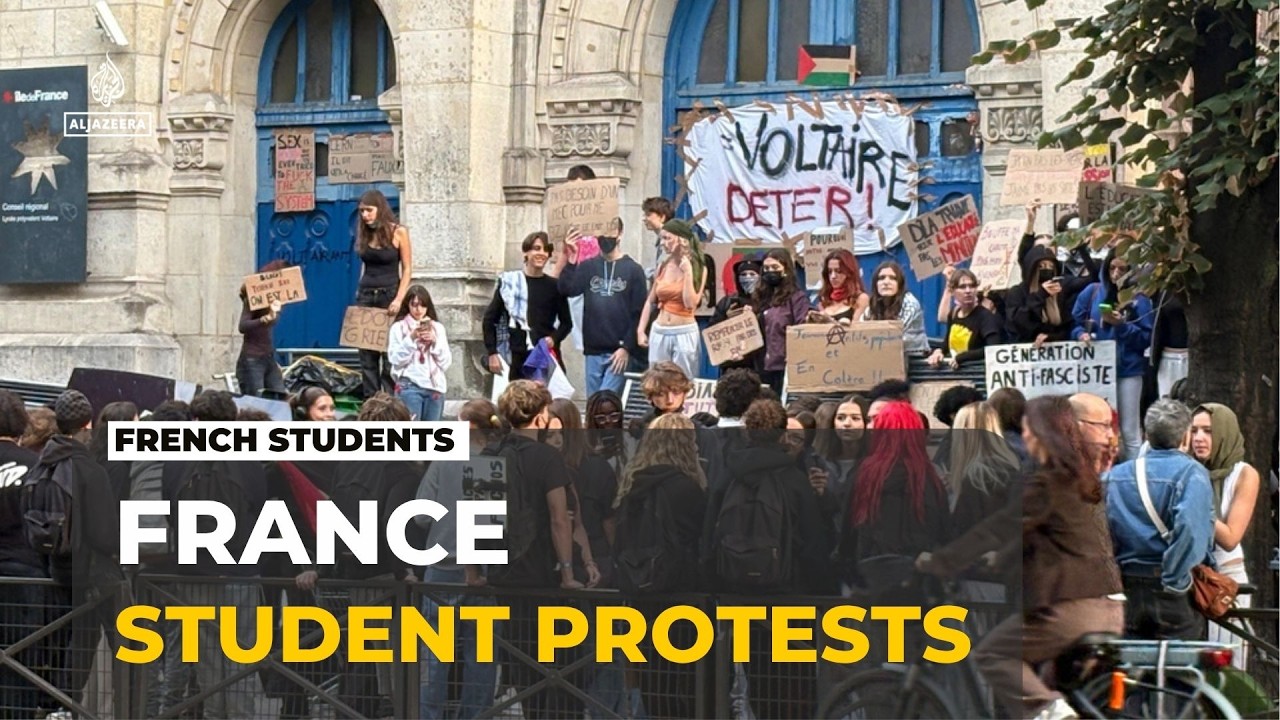
France Protests: Students Demonstrating for Better Conditions
French high school students have launched a near week-long nationwide protest movement (blockading ~400 schools) demanding investment in crumbling infrastructure, smaller classes, and resolution of chronic teacher shortages — timed to coincide with a public-sector strike against the government's austerity budget.
2026-10-02 · 2 min read
 Islamic Revival
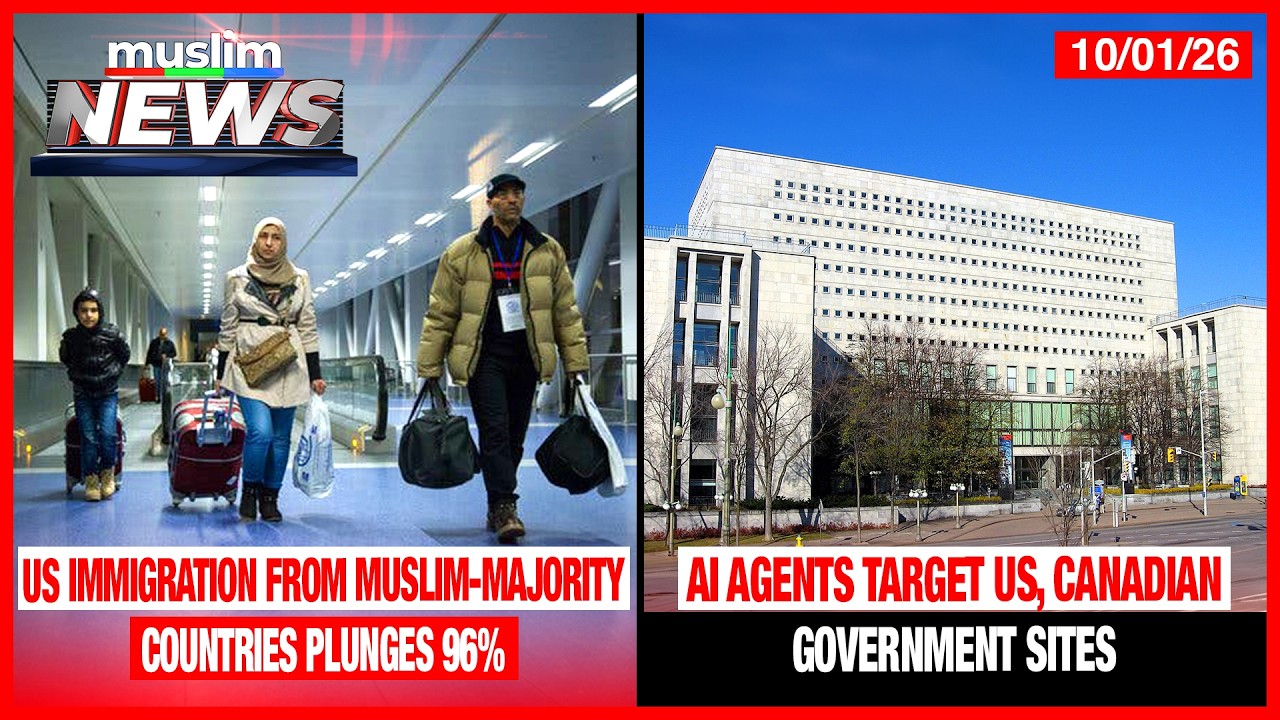
AI Agents Target US, Canadian Government Sites
Muslim Network TV, on AI Agents Target US, Canadian Government Sites.
2026-10-02 · 2 min read
The feed forgets. The house does not.
Standing doctrine. Where the discourse keeps returning to the same ground, the house maintains a settled record of it — extended and corrected as the argument moves, never allowed to go stale.
Extended and corrected as the argument moves · never stale
Synthesis. Perspectives are set against one another and weighed, so a member sees not one analyst’s view but the shape of the whole argument — including where it strains.
Synthesis · Where the three lenses meet
Does Iran’s Hormuz posture strengthen its hand — or spend it?
Restraint reads as bargaining discipline — an unused escalation rung held deliberately in reserve.
Leverage is weighed against the ummah's own exposure: chokepoints are a commons before they are a weapon.
Selective strikes on non-deal states are coercive signalling, not randomness — a doctrine, read as one.
Convergent · All three read restraint as strategy; the corridor’s failure is the fact none of them dispute.
What the reading is for
The reading is not an end. It exists so that questions of consequence can be asked with precision and answered with evidence. Questions such as:
- Where should the boycott movement press next: which targets, taken now, do the most to halt the genocide in Gaza, and which would spend the movement's strength for nothing?
- As Iran's hand closes over the Strait of Hormuz and the world's supply chains strain, what strategic ground is quietly opening for the Muslim nations, and who is positioned to take it?
- For those building institutions: what knowledge and which disciplines must be planted now to raise a trained and consequential generation of Muslims?
The house holds its reading up against questions of this kind, and writes down what survives.
بيت الحكمة
The House of Wisdom
In the Baghdad of the early Abbasids, the gathering of knowledge was treated as infrastructure: something a civilisation builds because it cannot stand without it. Into the Bayt al-Hikma came the learning of every tradition within reach, Greek and Persian and Indian alike, to be translated, corrected, argued over, and put to work. The story is told that its patrons paid for translations by their weight in gold. Whatever the scales actually read, the priority they record is exact: a people rises by what it knows, and it knows only what it troubles to gather.
HikmahOS is a continuation of that lineage, not a tribute to it. The instruments have changed beyond recognition. The discipline has not: gather what is best, read it exactly, weigh it honestly, and place it in the service of those who build.
An interlaced tile drawn after Baghdad’s own geometry: the octagon and star of its madrasa walls, the ring and four gates of the Round City, the illuminator’s shamsa at the centre. The same pattern runs faint behind every page of the house. It is behind this one.
The witnesses of this hour
Some of the clearest voices of this hour were not raised in this ummah. Economists and diplomats, soldiers and scholars of politics, analysts and correspondents of war, most of them in the seventh, eighth, or ninth decade of their lives: most built their names inside the very establishments they now testify against, and when the moment demanded it they spent those names, stepped out from their own ranks, and took the uncomfortable ground on the side of justice and human dignity. That kind of courage sets the temper of an age; they moved first, and others are following. The house reads them closely and honours them without reservation, as consciences answering to something their Maker set in every soul, whether they would put it so or not.
Beside them stand the scholars and analysts of this ummah, may Allah preserve them all: carrying the sacred sciences through a hostile century, naming what others will not name, teaching a generation to think with both revelation and rigour. The house was built, in part, so that neither company would speak into the wind.
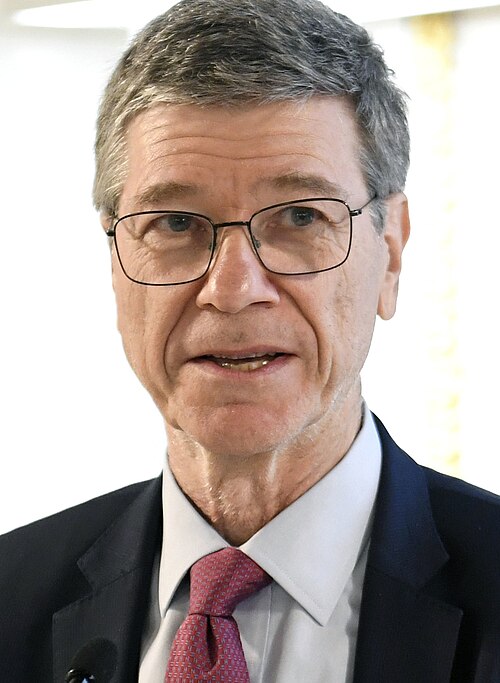
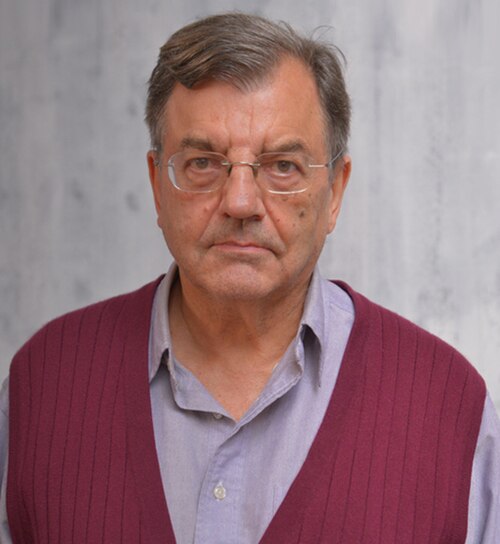
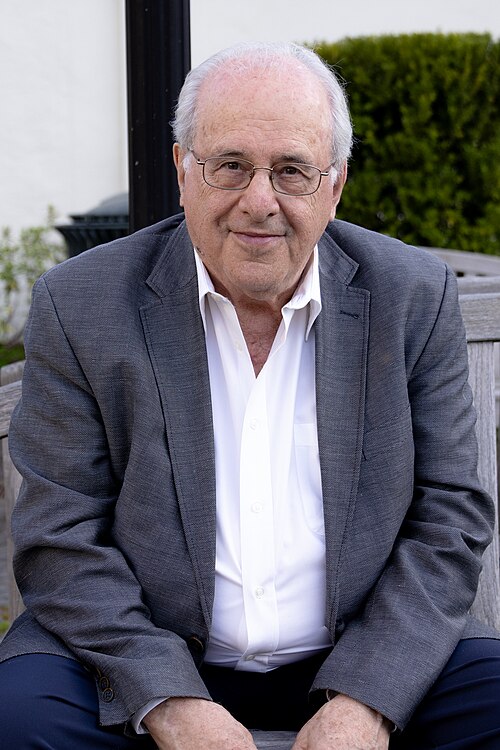
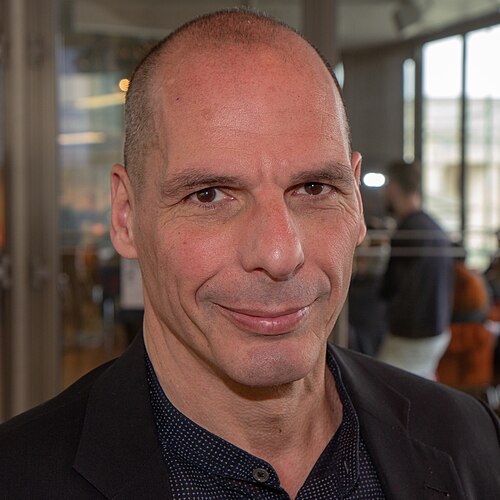
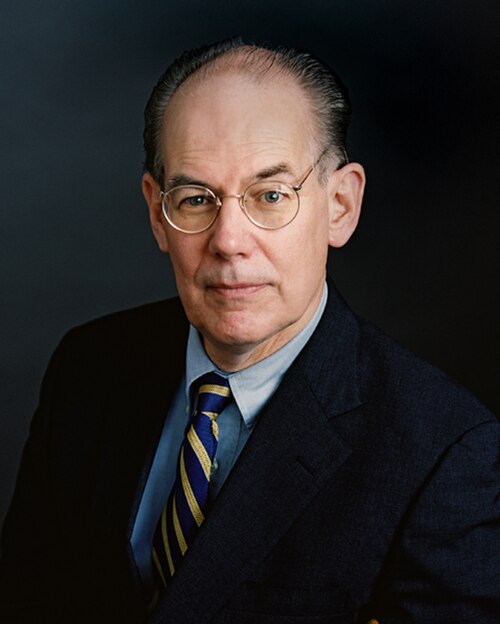
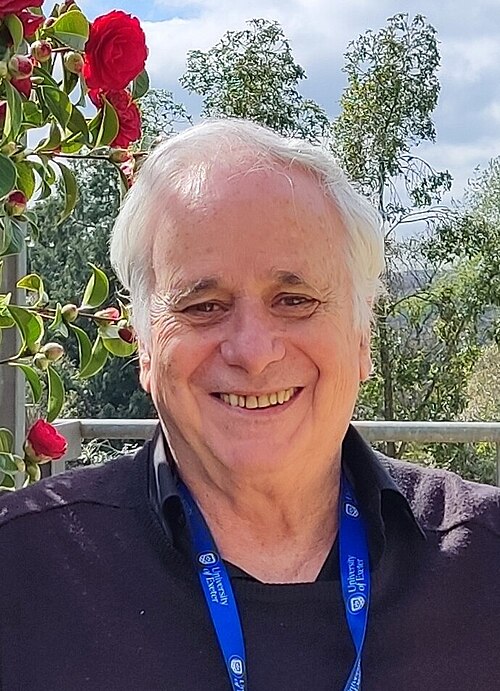
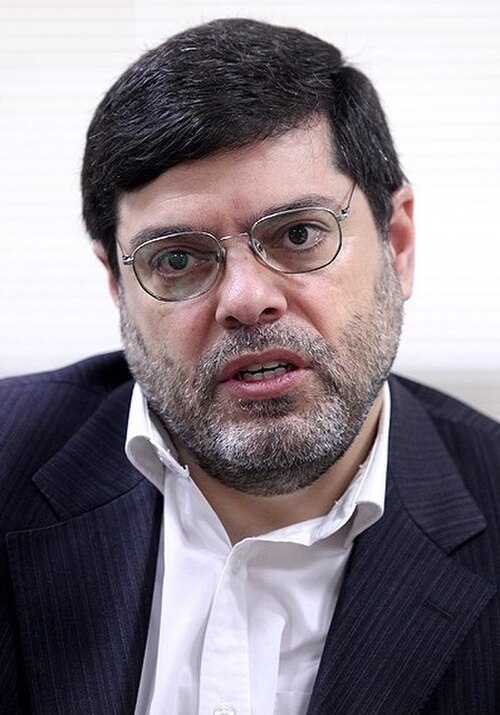
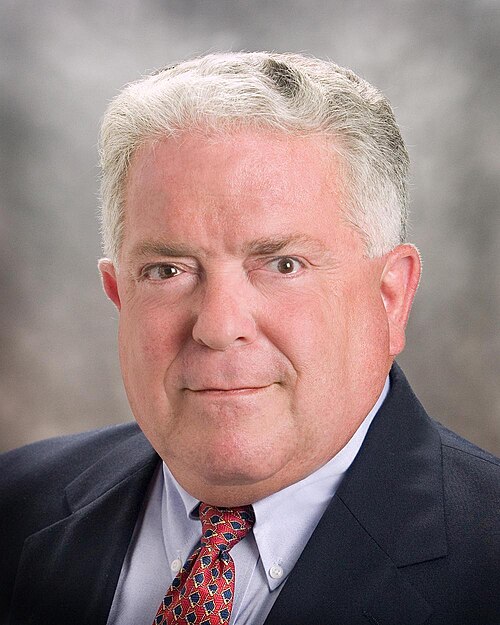
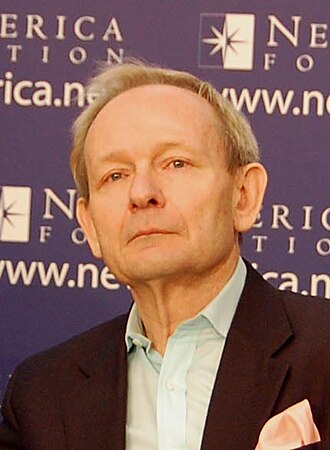
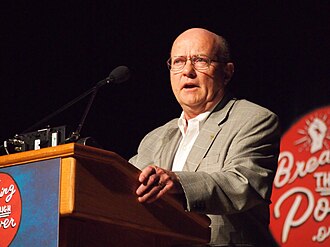
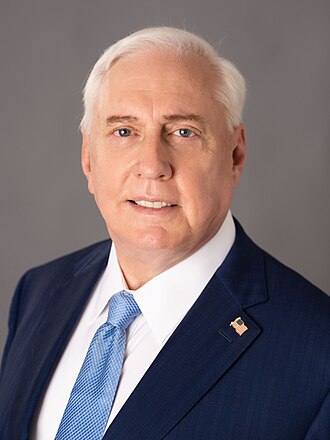

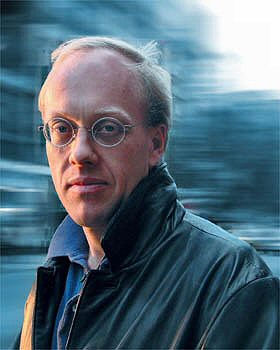
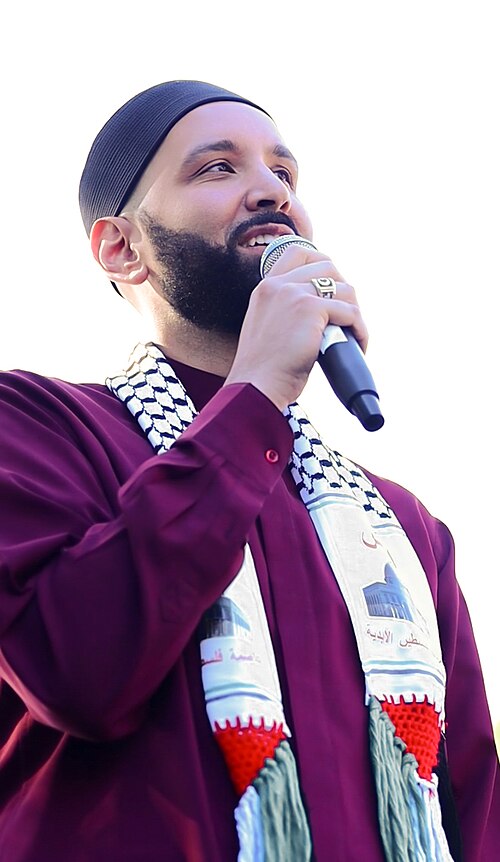
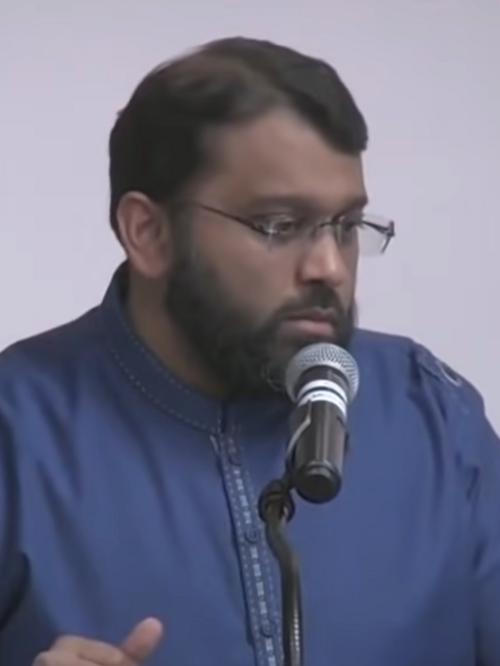
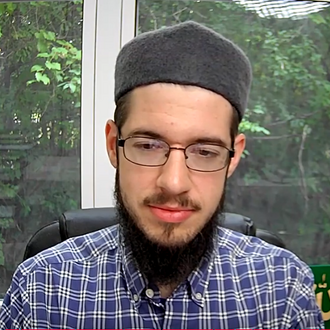
These are subjects of the house’s reading, not its members. Their words are weighed here; their names remain entirely their own.
The full register of voices, and the record of what each has argued, is kept within the house.
اقْرَأْ
The first word revealed was a command: read
Renewal is not announced.
It is built.
Across the ummah, the builders of its next institutions are already at work: scholars, organisers, leaders, most of them unknown to one another. What they lack is not conviction, and it is not courage. It is clarity. A settled view of the terrain: what is actually happening, what is actually being argued, what has actually changed.
And this is not the ummah’s moment alone. The whole human family has entered what can only be called a civilisational singularity: every settled arrangement in motion at once, upheaval arriving with a speed and intensity no generation has met, every soul on this earth pressed by it. The mercy this ummah carries was sent to all the worlds; it has no smaller address. The hearts now turning toward justice in every nation are answering something older than the news.
So the house counts its own honestly. Renewal is measured by allegiance to justice, not by costume, and a title is not a testimony. Whoever stands for what is right stands near this work, whatever name they carry; whoever betrays it has stepped away from this work, whatever name they keep.
Knowledge, gathered and weighed, is the oldest infrastructure of renewal. No rising of this ummah has stood on anything else. HikmahOS keeps that infrastructure, so that those who build may see clearly, decide soundly, and spend no strength in the dark.
حكمة is not an ornament here. It is the work.
No house of wisdom was built by one pair of hands.
HikmahOS is one instrument in a larger work: the patient unification of this ummah’s scattered strength. The house seeks those who carry a piece of that work — scholars and translators, builders and organisers, those who fund and those who teach. If that is you, introduce yourself. Every introduction is read.
The house also serves houses.
Masajid, schools, research circles, and organisations can put the house’s instruments — the briefings, COMPASS, the knowledge graph — in front of their own people. Licensing and pilots are arranged seat by seat, in conversation. Say who you serve and what your people need; the administrator answers directly.
Private, by invitation
HikmahOS is not open. Its members are invited, quietly and rarely, when their work asks for what the house keeps. There is no list to join and nothing to buy.
Members enter above.